

CCS Cleaning team has been handling commercial cleaning for 60 years. Every year in autumn, we receive several workplace cleaning jobs. After handling such projects, we have noticed a few common problems that tend to come up during this season.
As cold weather arrives, shared spaces like meeting rooms and game rooms are most affected. It brings more pollen, allergens, and a high risk of contamination. As windows stay closed, mould and dampness also grow inside. According to the Indoor Air Quality Scientific Findings Resource Bank report, moisture and dampness increase the chance of asthma by 5%.
Handling the buildup in the HVAC system is something we face every year. Keeping the indoor air quality at a safe benchmark is the main concern for autumn workplace cleaning. Floors can become slippery, entrances can get messy due to high foot traffic, and dust can settle on surfaces and vents.
Let’s discover more about autumn workplace cleaning problems and solutions in this blog.
Key Takeaways
- Autumn can bring mud, leaves, dust, pollen, and moisture into your workplace.
- Entrances, carpets, shared spaces, and HVAC areas often need extra attention during autumn.
- A proactive cleaning routine can help prevent dirt, dampness, and debris from building up.
- In-house teams can manage daily cleaning, while professional cleaning services can help with deeper and seasonal cleaning needs.
- Starting your autumn cleaning plan early can help keep your workplace clean, safe, and comfortable throughout the season.
Problem 1 — Muddy Floors and Slippery Entrances
What the problem is:
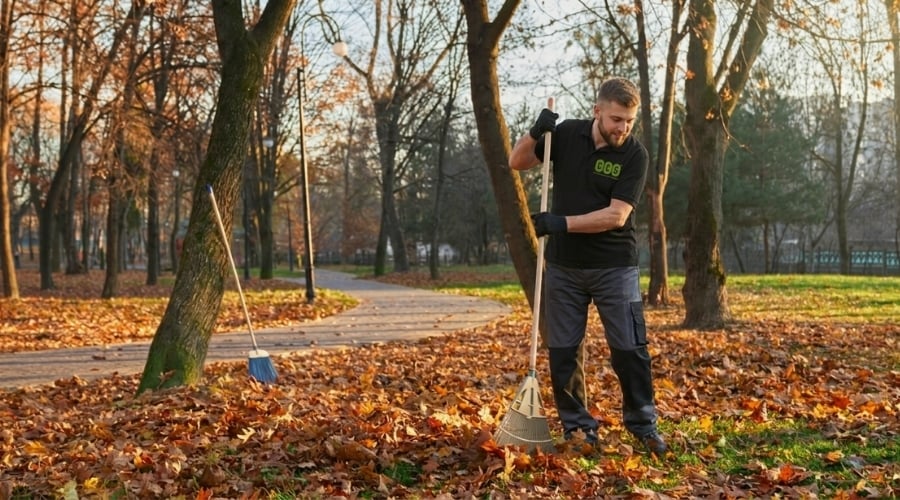
Muddy and wet floors leave the workplace floors slippery. The water and wet leaves make the floor look untidy. This may create a risk of slipping or falling hazards.
How we solve it: Our team leaders t we implement a workplace cleaning strategy to the We combine frequent inspections and housekeeping services, especially in shared spaces like the entrance, meeting rooms, toilets, and the pantry.
Problem 2 — Debris Overflows Inside
What the problem is:
Leaves, dirt, and debris can quickly build up inside. As more people try to stay inside, they mostly use the bins near their cubicles. Bins overflow due to this, and such waste looks messy and also affects the work environment inside.
How we solve it:
We clean entrances, cubicles, floors, and shared areas are cleaned regularly. We also pay extra attention to shared appliances like doorknobs, appliances, and restrooms outside the toilet. We try to cover these busy spots before the shift starts or at the end of shifts. We ensure debris does not build up throughout the day. Plus we recommend regular sweeping schedule and mat placement for better control.
Problem 3 — Dust, Pollen and HVAC Build up
What the problem is:
As the HVAC system works during extended hours, dust can build up faster. It blocks the vents and filters. So, when the heating system works, it spreads the pollutants inside and degrades the indoor air quality in a workplace.
How we solve it:
Our technicians check filters mostly once or twice a week. We recommend filter changes when needed. We can also arrange duct cleaning to help remove built-up dust and keep the workplace cleaner.
Problem 4 — Risk of Static Electricity
What the problem is:
Static electricity: Heating systems can dry out indoor air. Dry air can increase static electricity. Dry air can become more common in the workplace during autumn. You may notice small static shocks or static building up on certain surfaces.
How we solve it:
We help keep the workplace clean and dry through regular mopping. We pay attention to areas where static can be a concern. We have seen offices that install humidifiers to reduce the risk of static electrification. We also use anti-static sprays or products wherever possible.
Problem 5 —Mould and Mildew Growth
What the Problem is:
Autumn rain can expose roof leaks, blocked drains, condensation, and damp carpets. Dampness inside offices creates a building maintenance problem. It causes mould growth and musty odours in damp areas. A drop in air quality is also common and can create health hazards for people working inside.
How we solve it:
We clean the ceiling, windows inside, and carpets once a week. Inspect for mould-contaminated spores every week. Document the leaks so we can report them to the facility manager on time. We also suggest using dehumidifiers and autumn cleaning checklist; they help a lot. Deep cleaning twice a year can also reduce the risk of mould and mildew growth to some extent.
Where Do Autumn Cleaning Problems Occur?
Autumn weather can create different cleaning challenges across the workplace, from wet and slippery entrances to dust buildup in ventilation systems. Identifying these areas helps cleaning teams plan their schedules and maintain a clean, safe, and comfortable working environment.
| Workplace Area | Common Autumn Cleaning Problems |
|---|---|
| Entrances | Wet leaves, mud, rainwater, slippery floors, and dirty entrance mats. |
| Carpets | Trapped dirt, pollen, moisture, stains, unpleasant odours, and mould or mildew growth. |
| Vents | Dust buildup, clogged filters, poor air circulation, and stale indoor air. |
| Break Rooms | Food spills, overflowing bins, germs on shared surfaces, grease, and unpleasant odours. |
| Washrooms | Increased germ buildup, damp floors, soap residue, blocked drains, and unpleasant odours. |
| Meeting Rooms | Germs on shared tables, chairs, remote controls, touchscreens, and door handles. |
| Staircases | Wet footprints, fallen leaves, dust buildup, and slippery steps. |
| Lift Lobbies | Rainwater, mud, fingerprints, dust, and marks around lift buttons. |
| Windows and Sills | Rain marks, condensation, dust, and mould around window frames. |
| HVAC Rooms | Dirty filters, dust, moisture, blocked vents, and musty smells. |
| Storage Rooms | Poor ventilation, dampness, dust, mould, and waste that may attract pests. |
| Workstations | Dust on desks, keyboards, monitors, cables, and office equipment. |
| Upholstered Furniture | Pollen, dust, food stains, moisture, and lingering odours. |
| Outdoor Walkways | Fallen leaves, standing water, blocked drains, mud, and slippery surfaces. |
| Waste-Collection Areas | Overflowing bins, wet waste, leaks, pests, and unpleasant odours. |
| Server and Computer Rooms | Dust, static electricity, blocked cooling vents, and poor air circulation. |
Break rooms Food spills, overflowing bins, germs on shared surfaces, grease and unpleasant odours. Washrooms Increased germs, damp floors, soap residue, blocked drains and unpleasant odours. Meeting rooms Germs on shared tables, chairs, remotes, touchscreens and door handles. Staircases Wet footprints, leaves, dust buildup and slippery steps. Lift lobbies Rainwater, mud, fingerprints, dust and marks around lift buttons. Windows and sills Rain marks, condensation, dust and mould around window frames. HVAC rooms Dirty filters, dust, moisture, blocked vents and musty smells. Storage rooms Poor ventilation, dampness, dust, mould and pest-attracting waste. Workstations Dust on desks, keyboards, monitors, cables and office equipment. Upholstered furniture Pollen, dust, food stains, moisture and lingering odours. Outdoor walkways Fallen leaves, standing water, blocked drains, mud and slippery surfaces. Waste-collection areas Overflowing bins, wet waste, leaks, pests and unpleasant odours. Server and computer rooms Dust, static electricity, blocked cooling vents and poor air circulation.
Pro Tips for Prevention
Prevention is always better than cure! So, always start early in autumn and schedule deep cleaning at least twice a year. Build up a cleaning routine especially for the entryways and shared areas. Do inspections every day in the areas where the risk is higher. This may include the entrance, carpet, and upholstery. Pay attention outside for leakage where the autumn rainwater can get soaked. Inspect vents, clean grilles, and replace filters according to the manufacturer’s schedule. Keep indoor relative humidity below 60%, ideally between 30% and 50%.
Conclusion
Autumn cleaning does not have to become a last-minute problem. Having a cleaning schedule and being proactive about it can help avoid the disaster that is damp floors, leaves, pollen, moisture, and more. Just get ahead of the game and make sure to clean certain areas more often and always remember to take care of the high-traffic areas.
Your in-house staff can handle many everyday cleaning tasks. But some seasonal problems need more time, equipment, and specialist cleaning.
If you are preparing your workplace for autumn, now is a good time to review your cleaning routine. Look at the areas that need extra care and plan your cleaning schedule before the weather changes. If you need extra support, the CCS team is here to help with reliable workplace cleaning services and seasonal cleaning needs. Contact us now for a free site visit!